6 Types of Buprenorphine available: Understanding Your Treatment Options for Opioid Use Disorder
-
How Buprenorphine Works
6 Common Types of Buprenorphine
Who Can Prescribe Buprenorphine?
Choosing the Right Form of Buprenorphine
-
If you or a loved one is struggling with opioid addiction in Ashland, Kentucky please call 606-393-4632
Buprenorphine is a life-saving medication used to treat opioid use disorder. It reduces withdrawal symptoms, eases cravings, and helps people stay engaged in recovery. While the medication itself works the same way in the body, it comes in several different forms and brands, each designed to meet different need.
How Buprenorphine Works
Buprenorphine is classified as a partial opioid agonist. That means it activates opioid receptors in the brain, but only to a limited degree. This creates a built-in limit where increasing the dose does not increase feeling “high” or breathing suppression the way full opioids like heroin or oxycodone do.
Because of this effect, buprenorphine:
Reduces withdrawal symptoms
Decreases cravings
Lowers overdose risk compared to full opioids
Supports stability without producing a strong high
These properties make it one of the most effective medications for long-term recovery from opioid addiction.
Common Types of Buprenorphine
1. Suboxone (Buprenorphine/Naloxone Film)
Suboxone is one of the most well-known buprenorphine medications. It comes as a dissolvable film placed under the tongue or inside the cheek. Along with buprenorphine, it contains naloxone, the same medication used to reverse an opioid overdose. This is added to discourage misuse.
When taken as prescribed, the naloxone has no effect. If the medication is misused, naloxone can trigger withdrawal, making injection or diversion less appealing. This safety feature is why many providers prefer this formulation.
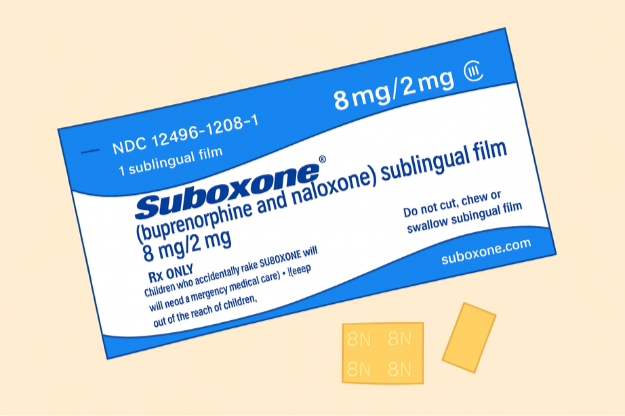
Suboxone comes as strips that can be cut for dosing flexibility.
2. Zubsolv (Buprenorphine/Naloxone Tablet)
Zubsolv is another combination buprenorphine/naloxone medication, but it comes as a sublingual tablet instead of a film. It dissolves under the tongue and contains similar active ingredients to Suboxone.
Some people prefer Zubsolv because of:
Tablet form instead of film
Different dosage strengths
Mint flavor that some find more tolerable
Effectiveness is comparable to other buprenorphine/naloxone products.
3. Generic Buprenorphine/Naloxone (Available as a Film or Tablet)
Generic versions of buprenorphine/naloxone are widely available and contain the same active ingredients as brand-name options. Many insurance plans require the generic form.
While the medication itself is equivalent, some people notice differences in taste, dissolve time, or side effects depending on the manufacturer. These differences don’t mean the medication is weaker, just formulated differently.
4. Subutex (Buprenorphine-Only Tablet)
Subutex contains buprenorphine alone, without naloxone. It is taken as a dissolvable tablet under the tongue.
Because it does not include naloxone, Subutex carries a higher risk of misuse or diversion. For that reason, many programs reserve it for specific situations—most commonly pregnancy, when buprenorphine-only formulations may be preferred.
5. Sublocade (Monthly Buprenorphine Injection)
Sublocade is a long-acting injectable form of buprenorphine given once a month. Patients usually start treatment with sublingual buprenorphine first, then transition to injections once stable.
Advantages
No daily dosing
Steady medication levels
Reduced risk of missed doses or diversion
Considerations
Must be administered in a medical setting
Medication remains in the body for weeks
Less flexible if dose changes or pain treatment is needed
For some people, Sublocade offers freedom from daily medication routines and added structure for recovery.
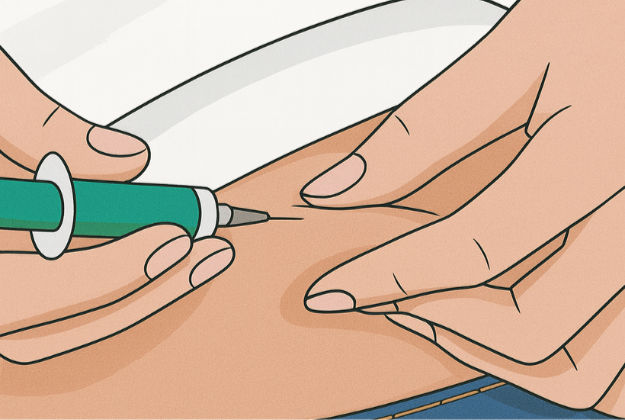
Sublocade must be injected into the subcutaneous tissue of the abdomen, thigh, buttock, or back of the upper arm.
6. Brixadi (Buprenorphine Extended-Release Injection)
Brixadi is a long-acting injectable form of buprenorphine given as a subcutaneous injection and is available in both weekly and monthly dosing options. It offers flexibility for people at different stages of recovery.
Brixadi delivers a steady level of buprenorphine over time, helping reduce cravings and withdrawal symptoms without the need for daily medication. This can improve adherence, reduce the risk of missed doses or diversion, and support consistency in treatment especially for people who struggle with daily routines.
How Brixadi Is Different From Sublocade
While both Brixadi and Sublocade are extended-release buprenorphine injections, there are important differences:
Dosing flexibility: Brixadi offers both weekly and monthly options, allowing providers to adjust treatment more gradually. Sublocade is monthly only.
Initiation requirements: Brixadi can be started sooner in treatment, sometimes without a long stabilization period on sublingual buprenorphine. Sublocade typically requires patients to be stabilized on daily buprenorphine first.
Injection characteristics: Brixadi uses a different delivery system and injection volume, which may be more comfortable for some patients.
Tapering flexibility: Weekly dosing with Brixadi can make dose adjustments or tapering more manageable compared to the longer-acting profile of Sublocade.
Both medications are effective and evidence-based. The choice between Brixadi and Sublocade depends on treatment goals, clinical needs, and patient preference.
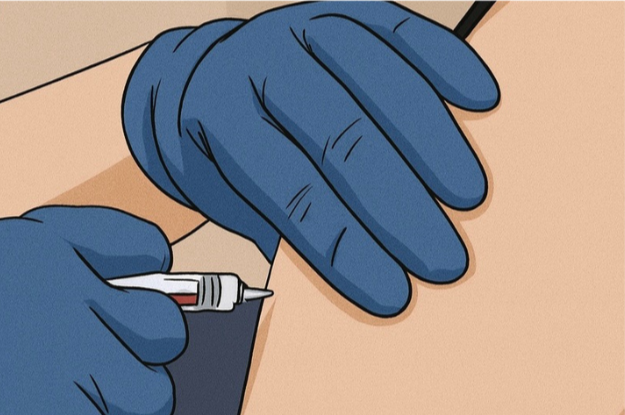
Brixadi can be injected into multiple subcutaneous areas, specifically the buttock, thigh, abdomen, or upper arm.
Who Can Prescribe Buprenorphine?
Buprenorphine can be prescribed by licensed physicians, nurse practitioners, and physician assistants who are authorized to prescribe controlled substances. Access has expanded significantly in recent years, making treatment more available in both in-person and telehealth settings.
Choosing the Right Form of Buprenorphine
There is no single “best” type of buprenorphine. The right option depends on:
Medical history
Pregnancy status
Daily routine and preferences
Insurance coverage
Treatment goals
What matters most is starting treatment promptly and staying engaged. All FDA-approved forms of buprenorphine are evidence-based and effective when used as part of a structured treatment plan.
Key Takeaway
Buprenorphine, regardless of brand or formulation, is one of the most effective treatments we have for opioid addiction. Whether taken daily or monthly, with or without naloxone, it helps stabilize the brain, reduce risk, and support long-term recovery.
The most important step isn’t which version you choose, it’s getting started and staying connected to care.
📞 Call Ultimate Treatment Center at 606-393-4632
📍 Visit us at 3655 Winchester Avenue, Ashland, KY 41101