

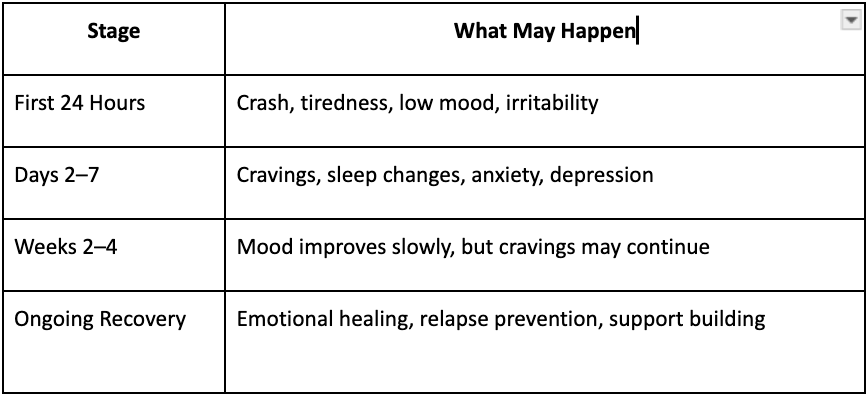
This is why the signs of cocaine use and the withdrawal process should both be taken seriously. The early crash may pass, but emotional symptoms can continue for longer.
Treatment Options That Can Help

Treatment should focus on safety, support, and long-term recovery. There is no single quick fix, but many people improve with the right plan. The goal is not only to stop cocaine use, but also to address the stress, habits, and mental health issues around it.
Helpful treatment options may include:
Medical assessment
Individual counseling
Group therapy
Mental health support
Structured outpatient or residential treatment
Relapse prevention planning
Family support
If the person is showing repeated signs of cocaine use, early support can prevent the problem from becoming more severe.
Conclusion
The signs of cocaine use can include emotional changes, physical symptoms, and risky behavior patterns that become easier to spot over time. Withdrawal may bring exhaustion, cravings, depression, and anxiety, especially when chemical dependency is involved. With the right treatment and support, recovery is possible, and early action can make a real difference.
