
How to Quit Smoking: Practical Steps That Actually Work

If quitting cigarettes feels harder than expected, you are not weak. Nicotine is powerful, and many people see it as the most addictive drug in their daily life because it creates strong habits, cravings, and emotional dependence. The good news is that quitting smoking is possible with the right plan, support, and steady action.
Why Smoking Is So Hard to Quit?
Smoking affects both the body and the mind. Nicotine reaches the brain quickly and creates short-term relief, which can make the cycle hard to break. Over time, this can become a form of chemical dependency, where your body and routine start expecting nicotine again and again.
This is why quitting is not only about willpower. It is also about understanding your triggers, building new habits, and learning how cravings work.
What Quitting Really Involves?
A lot of people think quitting means simply throwing away cigarettes and pushing through. In reality, the process is broader than that. A simple detox definition is clearing a substance from the body while managing the effects that come with stopping it.
With smoking, detox can include:
Cravings
Irritability
Restlessness
Trouble focusing
Changes in sleep
Increased appetite
These symptoms can feel uncomfortable, but they usually improve with time. Knowing what to expect can make the process feel less frightening.
Practical Steps That Actually Help
There is no single method that works for everyone. Still, some steps make success much more likely.
Set A Clear Quit Date
Choose a realistic date within the next couple of weeks. This gives you time to prepare without losing momentum.
Remove Smoking Triggers
Throw away cigarettes, lighters, ashtrays, and anything tied to the habit. Clean your space so it feels like a fresh start.
Track Your Trigger Moments
Notice when you want to smoke most. For many people, cravings appear:
After meals
During stress
With coffee
While driving
Around other smokers
Once you know your patterns, you can replace them with healthier routines.
Use Support Instead Of Doing It Alone
Support can come from family, friends, a counselor, or a treatment program. If smoking feels like the most addictive drug habit in your life, extra help may be the difference between trying and truly quitting.
Understand The Stages Of Progress
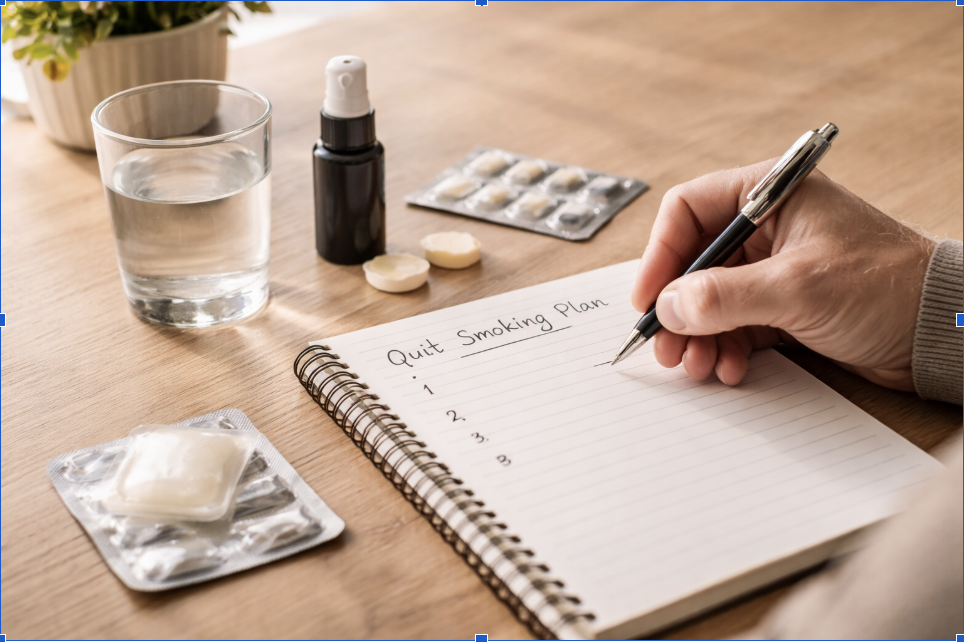
Quitting often follows the stages of change. You may first think about quitting, then prepare, then take action, and later work to maintain the change. Some people slip and start again. That does not mean failure. It means the process is still moving.
Looking at quitting through the stages of change can help you stay patient with yourself and focus on progress instead of perfection.
What Life Can Look Like After Smoking?
Every smoke-free day helps your body recover. More importantly, it helps build confidence. Over time, quitting can become part of a broader journey toward sobriety, self-control, and better health.
Conclusion
Quitting smoking is difficult, especially when nicotine feels like the most addictive drug in your routine. But it can be done with preparation, support, and practical daily changes. When you understand chemical dependency, follow the stages of change, and keep moving toward sobriety, real progress becomes possible. The first step does not have to be perfect. It just has to begin.
