
Panic Attack vs Anxiety Attack: Key Differences Explained

Understanding panic attack vs anxiety attack can help you feel less confused and more in control. People often use these terms as if they mean the same thing, but they are not exactly alike. A panic attack usually comes on suddenly and feels intense. An anxiety attack tends to build more slowly and is often linked to ongoing stress or worry.
Knowing the difference matters because the symptoms can feel frightening. In some cases, people may even think they are having a medical emergency.
What Is the Difference Between a Panic Attack and an Anxiety Attack?
The main difference in panic attack vs anxiety attack is the way symptoms begin and how strong they feel.
A panic attack often appears without much warning. It can peak within minutes and may cause intense fear, chest tightness, shaking, dizziness, or a racing heart. Some people feel like they cannot breathe or think they are losing control.
An anxiety attack is usually tied to stress, worry, or fear about something specific. It often grows over time rather than hitting all at once. The symptoms may feel less sudden, but they can still be very upsetting.
Common Symptoms to Watch For
Both experiences can affect the body and mind. Some symptoms overlap, which is why people often mix them up.
Panic Attack Symptoms
Sudden fear or terror
Fast heartbeat
Sweating or shaking
Chest discomfort
Shortness of breath
Feeling unreal or detached
Anxiety Attack Symptoms
Ongoing worry
Restlessness
Trouble concentrating
Muscle tension
Irritability
Trouble sleeping
Physical stress can also show up in other ways. For example, some people develop stress hives, headaches, or stomach discomfort when anxiety stays high for too long.
What Causes Them?
There are many possible triggers. Panic attacks may happen during high stress, but they can also appear without a clear reason. Anxiety attacks are more often linked to work pressure, family problems, health fears, trauma, or constant overthinking.
For some people, symptoms can become stronger when they are already exhausted or emotionally overwhelmed. Over time, constant fear can leave a person feeling hopeless, especially if they do not understand what is happening.
How to Relax During an Episode?
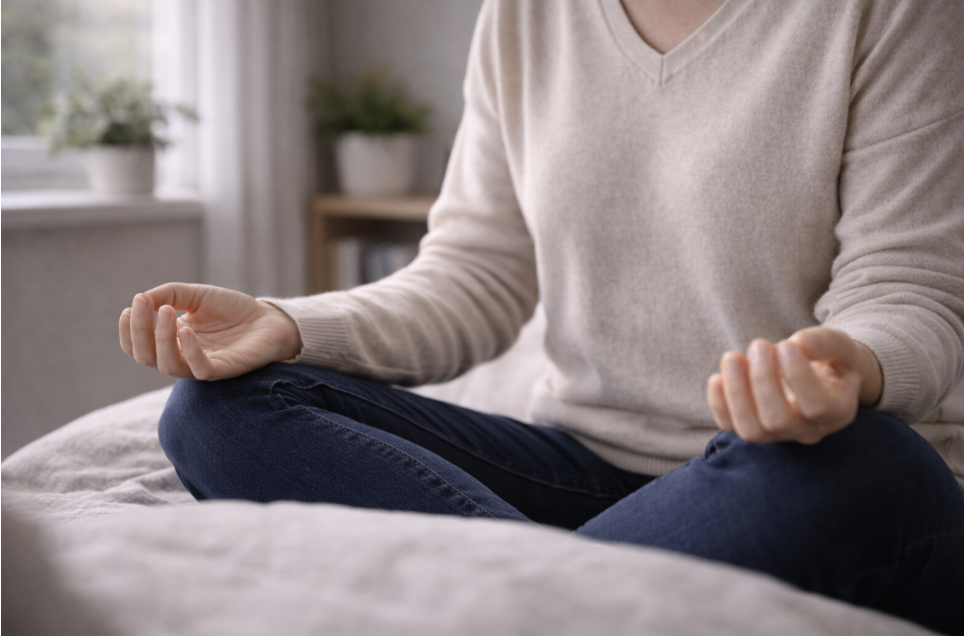
If you are struggling in the moment, simple steps can help.
Slow your breathing by inhaling and exhaling gently
Sit down and focus on one object near you
Remind yourself that the feeling will pass
Loosen tight clothing and relax your shoulders
Move to a quiet place if possible
Learning how to relax does not always stop symptoms right away, but it can reduce their intensity and help you recover faster.
When Treatment May Help?
If panic or anxiety is happening often, support may be needed. Therapy is often one of the most helpful options. In some cases, a doctor may also discuss anxiety medication as part of a treatment plan. Medication is not the right choice for everyone, but it can help some people manage symptoms more effectively.
Conclusion
When it comes to panic attack vs anxiety attack, the biggest difference is how symptoms start and how intense they feel. Panic attacks are usually sudden and severe, while anxiety attacks often build slowly with ongoing stress. Both can affect daily life, especially if they lead to stress hives, trouble coping, or feeling hopeless. The good news is that support is available, and learning how to relax can be a strong first step toward feeling better.
