
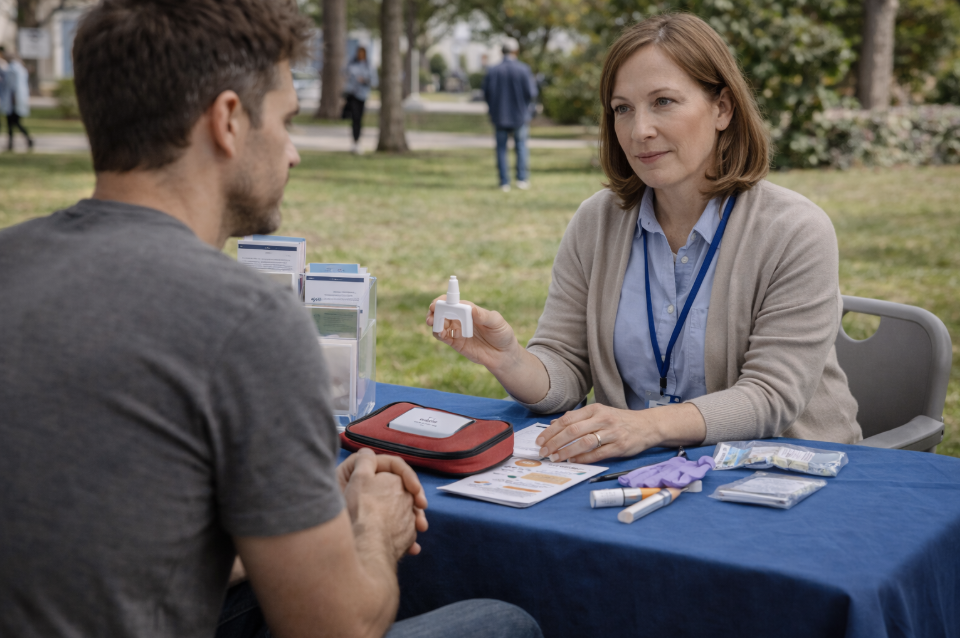
A simple detox definition is this: it is the process of clearing harmful substances from the body while managing risk and withdrawal safely. In real life, prevention starts even earlier. If a person may be exposed to street drugs, knowing how to test for fentanyl and xylazine can reduce overdose risk and support a safer path toward sobriety. Fentanyl is a powerful synthetic opioid, and Xylazine is a sedative that does not belong to the opioid class and is being detected more frequently in illicit drug mixtures, commonly in combination with fentanyl.
Why Drug Testing Matters?
Drug checking is a harm-reduction step. Public health agencies note that fentanyl test strips are a low-cost tool that can help people detect fentanyl in powders, pills, and other drugs. Research is also evaluating drug checking for substances such as fentanyl and xylazine because it may help reduce harm.
This matters because fentanyl remains one of the deadliest substances in the overdose crisis. CDC reports that synthetic opioids, especially illegally manufactured fentanyl, are involved in a large share of overdose deaths in the United States. Xylazine adds more danger because it can slow breathing, lower blood pressure, and make overdose events harder to manage.
How Fentanyl And Xylazine Testing Help?
Testing does not make drug use safe, but it can give people more information before exposure. After an unexpected result, a person may choose not to use the substance, avoid using alone, carry naloxone, or seek urgent help. This is especially important for people dealing with chemical dependency, because repeated exposure raises the risk of overdose and other health problems.
What To Keep In Mind
Fentanyl test strips can detect fentanyl in many drug forms.
Xylazine test strips are commercially available, but research and access are still evolving.
A negative result does not remove all risk, because drugs may contain other dangerous substances. This is one reason fentanyl is often discussed among the most addictive drug and overdose-risk conversations.
What To Do If Risk Is Suspected?
If fentanyl exposure is possible, have naloxone available and call emergency services for overdose signs. SAMHSA notes that naloxone is a lifesaving medication for opioid overdose. With xylazine, naloxone is still recommended if opioids may be involved, but extra medical support may still be needed because xylazine is not an opioid.
When Prevention Becomes Treatment?

For some people, drug checking is the first moment they realize they need help. That is where the stages of change become important. A person may move from denial to awareness, then to action. In treatment settings, a working detox definition includes medical support, withdrawal monitoring, and planning for long-term sobriety.
Conclusion
Testing drugs for fentanyl and xylazine is a practical safety step, not a guarantee. It can reduce risk, support informed choices, and help prevent overdose. A clear detox definition also reminds us that recovery is not only about removing substances. It is about managing danger, addressing chemical dependency, and moving toward lasting sobriety through the right support.
