
Building a Wellness Plan
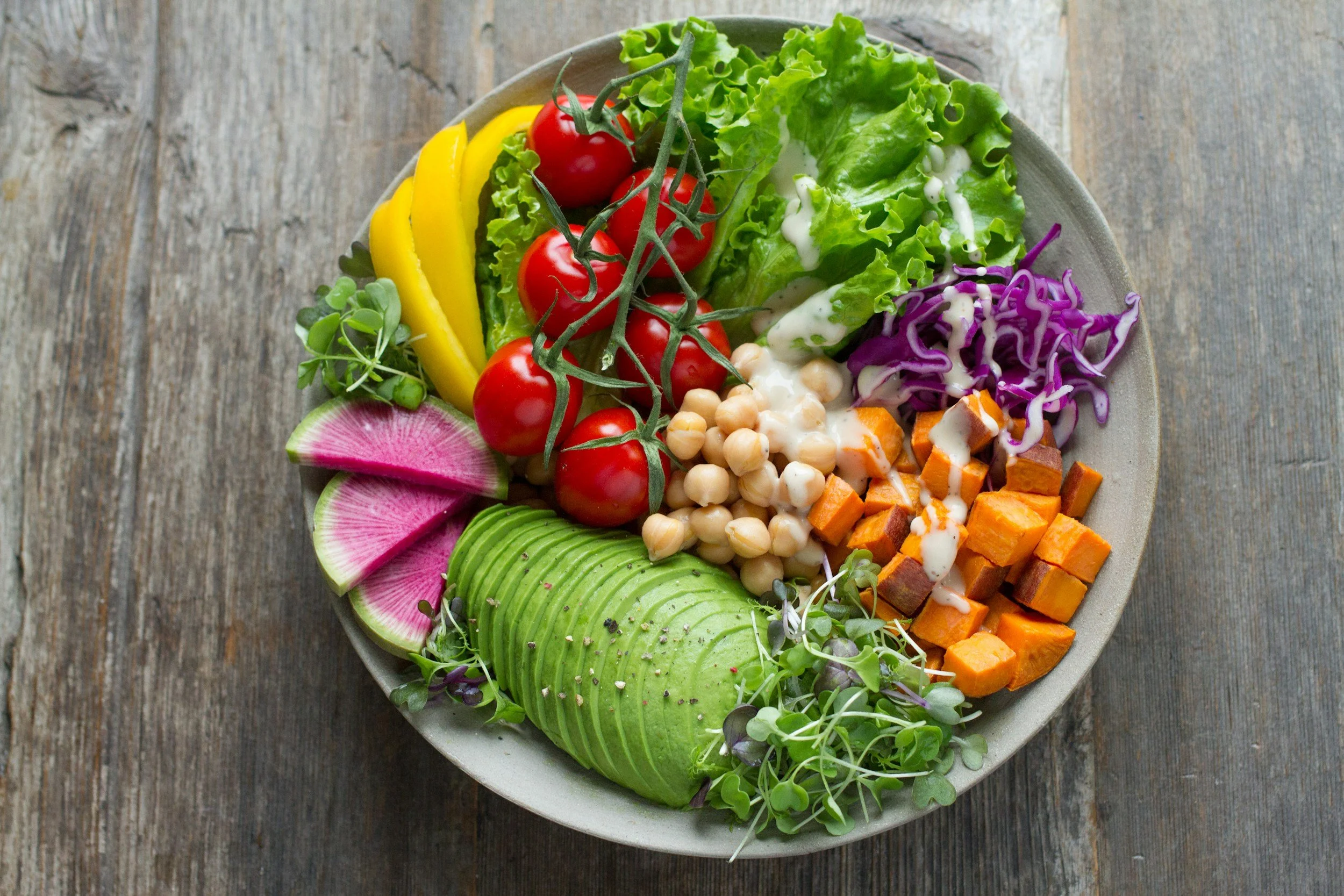
What you eat doesn’t just affect your body; it also affects how you feel, think, and function emotionally. Nutrition plays a meaningful role in mental health, influencing energy levels, mood stability, motivation, and even how resilient you feel to stress. This lesson focuses on building awareness around food choices that support both the mind and body, without aiming for perfection or restriction .
Why Food Matters for Mental Health
Think about how you feel after different kinds of meals. After highly processed or fast foods, people often feel tired, sluggish, or mentally foggy. After a balanced, nourishing meal, there’s often more energy, motivation, and openness to movement or connection. These differences happen because of how your body and brain respond to nutrients .
Eating well supports:
More stable energy throughout the day
Better mood regulation
Improved focus and mental clarity
Greater resilience to anxiety and depression
Nutrition is not a replacement for mental health treatment, but it is an important part of overall emotional well-being.
Balance Is the Goal
The most important principle of eating for mental health is balance.
A balanced diet includes:
Complex carbohydrates
Healthy fats
Lean protein
Vitamins and minerals
Too much of one thing or not enough of another, can affect mood and energy. Treat foods are okay. The goal is consistency over time, not strict rules .
Building a Balanced Intake
One simple way to support mental health is by including a variety of food groups regularly:
Vegetables and fruits for vitamins, minerals, and antioxidants
Whole grains for steady energy
Protein to support brain chemistry and repair
Healthy fats to nourish brain function
Eating regular meals helps prevent blood sugar swings, which can worsen irritability, low mood, and fatigue.
The Mediterranean-Style Eating Pattern
The Mediterranean-style diet has been researched and shown to be supportive of mental health, including symptoms of depression and anxiety. This way of eating emphasizes whole, minimally processed foods and healthy fats .
It typically includes:
A wide variety of vegetables, fruits, and whole grains
Healthy fats like olive oil, nuts, and seeds
Moderate amounts of fish and dairy
Limited red meat, processed foods, added sugars, and refined grains
This pattern supports brain health, inflammation balance, and overall emotional well-being.
Key Nutrients That Support Mood
Certain nutrients play a direct role in brain function and emotional regulation:
Omega-3 fatty acids: Support brain structure and reduce risk of mood disorders
Found in: salmon, sardines, tuna, flaxseed, chia seeds, walnuts
Vitamin D: May improve depressive symptoms
Found in: fortified milk or juice, eggs, fatty fish, sunlight
B vitamins (B12 and folate): Support the nervous system and mood regulation
Found in: leafy greens, beans, lentils, meat, and dairy
Zinc: May influence depression and support immune health
Found in: lean meats, seafood, whole grains, nuts, and seeds
Protein & tryptophan: Help the body make serotonin, a key mood-related chemical
Found in: turkey, tuna, eggs, beans, chickpeas, soy foods, quinoa
Antioxidants and Brain Health
Antioxidants help reduce oxidative stress, which has been linked to anxiety and depression.
Key antioxidant vitamins include:
Vitamin A: sweet potatoes, carrots, spinach
Vitamin C: citrus fruits, strawberries, bell peppers
Vitamin E: sunflower seeds, almonds, vegetable oils
Gut Health and Mood
The gut and brain are closely connected. Healthy gut bacteria may help reduce the risk and severity of depression.
Foods that support gut health include:
Yogurt
Other probiotic-rich foods
Supporting gut health is another way nutrition can indirectly support emotional balance .
Lifestyle Habits That Work Together With Diet
Food works best alongside other supportive habits, such as:
Regular physical activity (about 150 minutes per week)
Time outdoors
Social connection
Limiting alcohol and smoking
Moderate caffeine intake
Adequate sleep

A Compassionate Perspective
Eating for mental health is not about control or restriction. It’s about curiosity, balance, and nourishment. Small changes, adding more whole foods, eating regularly, and paying attention to how food affects your mood can add up over time. If food feels complicated or stressful, working with a registered dietitian can be a helpful and supportive next step.