
Coping with Anxiety
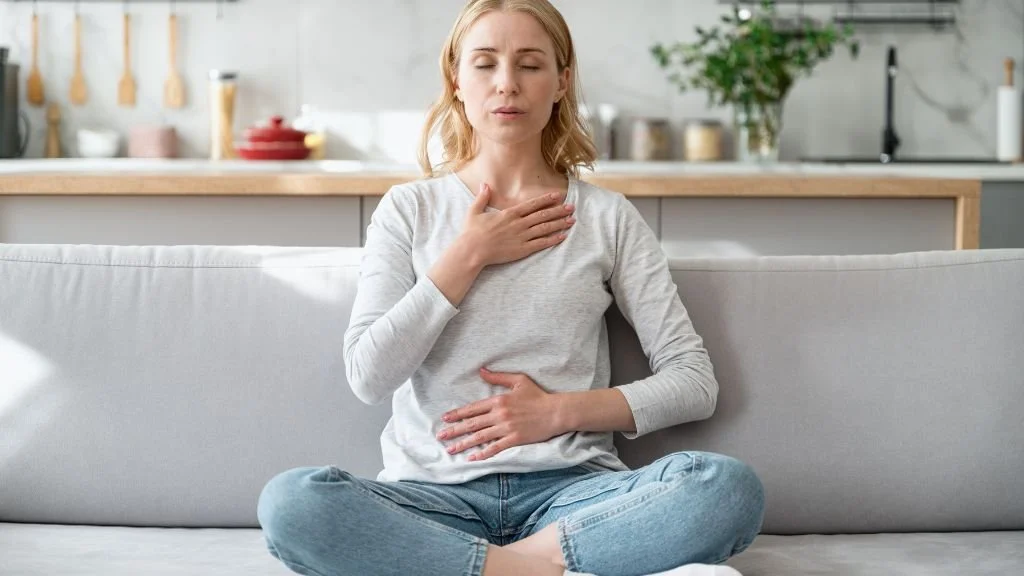
Anxiety doesn’t just live in your thoughts, it shows up in your body. Tight shoulders, clenched jaws, headaches, back pain, and constant tension are common signs. Progressive Muscle Relaxation (PMR) is a simple, evidence-based skill that helps your body learn how to let go of that tension, one muscle group at a time.
What Is Progressive Muscle Relaxation (PMR)?
Progressive Muscle Relaxation teaches you how to relax your body through a two-step process:
Gently tensing specific muscles
Releasing that tension and noticing the feeling of relaxation
By practicing this regularly, you train your nervous system to shift out of “alert mode” and into a calmer, more grounded state. Over time, this makes it easier to relax when anxiety shows up in daily life, not just during practice sessions .
Why PMR Helps With Anxiety
When you’re anxious, your body prepares as if there’s danger, even when there isn’t. Muscles tighten automatically, often without you noticing. PMR helps you:
Lower overall tension and stress
Reduce physical symptoms like headaches, stomach discomfort, and muscle pain
Improve sleep and daytime calm
Recognize early signs of anxiety in your body
Respond sooner, before anxiety escalates
Many people don’t realize what “relaxed” actually feels like until they practice PMR consistently. This skill helps rebuild that awareness.
Getting Ready to Practice
Before you begin, set yourself up for success:
Choose a quiet space with minimal distractions (turn off TV, silence notifications, soften the lights).
Get comfortable in a chair that supports your head and body. Wear loose clothing and remove your shoes.
Timing matters: avoid practicing right after a heavy meal or after using alcohol or other intoxicants.
Physical safety: if you have injuries or chronic pain, skip or modify muscle groups as needed and consult your clinician if unsure .
Plan for about 10–15 minutes.
How to Do Progressive Muscle Relaxation
Step 1: Slow Your Breathing
Take a few slow, deep breaths. Let your body know it’s okay to pause.
Step 2: Tense the Muscle
Focus on one muscle group. Gently tighten it for about 5 seconds—enough to feel tension, not pain.
Step 3: Release and Relax
Let go all at once. Exhale. Stay relaxed for 10–15 seconds, noticing the contrast between tension and relaxation. You might quietly say a word like “relax” or “let go” as you release.
Step 4: Move On
Continue through the body, one muscle group at a time. When finished, sit quietly for a moment before returning to activity .
Full PMR Muscle Sequence
Work through the body slowly. You can start at your hands or your feet, both are effective.
Right hand and forearm (make a fist)
Right upper arm (bend arm and “make a muscle”)
Left hand and forearm
Left upper arm
Forehead (raise eyebrows)
Eyes and cheeks (squeeze eyes shut)
Mouth and jaw (open wide, like a yawn)
Neck (gently pull head back slowly)
Shoulders (lift toward ears)
Shoulder blades and upper back (squeeze together)
Chest and stomach (deep breath, hold briefly and tense muscles)
Hips and buttocks (squeeze)
Right Upper leg (tense right thigh muscles)
Right calf (pull toes upward)
Right foot (curl toes downward)
Left Upper leg (tense left thigh muscles)
Left calf
Left foot
How Often Should You Practice?
Aim for once or twice daily when first learning
Practice when you’re calm, not only when anxious
With repetition, your body learns to relax faster and more easily
This is a skill that gets stronger with consistency, not perfection
Progressive Muscle Relaxation Video
In this video, you’ll be guided through Progressive Muscle Relaxation, a simple, calming practice that helps ease anxiety by releasing tension held in the body. This practice is especially helpful if anxiety shows up as tight shoulders, a clenched jaw, restlessness, or trouble winding down. You don’t need any prior experience, just a few quiet minutes and a comfortable place to sit. You can return to this video whenever you need to reset, slow your breathing, or help your body feel more at ease.
Short Versions for Busy Moments
Once you’re familiar with PMR, you can use quicker versions:
Tense and release larger muscle groups (legs, torso, arms, face)
Or use a “release only” method, which includes skipping the tensing and simply letting muscles soften
Pair relaxation with a calming word or phrase to cue your body into calm more quickly
“I’m okay right now.”
“This feeling will pass.”
“My body knows how to relax.”
“I can soften without effort.”
“I’m grounded and present.”
A Final Encouragement
PMR may feel unfamiliar at first. That’s normal. With practice, it becomes one of the most reliable ways to calm anxiety from the inside out. You’re not forcing yourself to relax, you’re teaching your body how to do what it already knows how to do. This is a skill you can carry anywhere.